


State Healthcare Transaction Notification Laws Resource
The state healthcare transaction regulatory landscape is rapidly evolving as an increasing number of states adopt laws requiring notice to, or approval from, state agencies before certain healthcare transactions may close. These laws vary significantly in scope and application. Depending on the jurisdiction, they may apply based on the types of parties involved (such as healthcare entities, provider organizations, management services organizations, or private equity investors), transaction size or revenue thresholds, changes in ownership or control, or other transaction characteristics. Filing requirements, review periods, agency authority, confidentiality protections, and potential penalties for noncompliance likewise differ substantially from state to state, creating a complex and expanding regulatory framework for healthcare transactions.
Our Healthcare and FDA Regulatory and Antitrust and Competition practices work together to help clients navigate these evolving state requirements across mergers and acquisitions, investments, affiliations, restructurings, and other strategic transactions. We work closely with clients to assess whether state notice or approval obligations are triggered, develop filing strategies and transaction timelines, coordinate multistate compliance, and advise on agency engagement throughout the review process. By integrating the firm’s healthcare regulatory, antitrust, corporate, and transactional capabilities, we help clients identify regulatory risks early, minimize execution uncertainty, and efficiently manage the growing patchwork of state healthcare transaction laws.
The following states currently have state healthcare transaction notice laws:
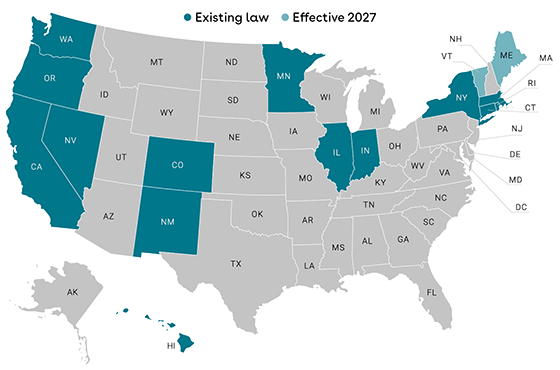
|
State |
State |
|
Maine (effective January 1, 2027) |
Vermont (effective March 1, 2027) |
The state healthcare transaction regulatory landscape is rapidly evolving as an increasing number of states adopt laws requiring notice to, or approval from, state agencies before certain healthcare transactions may close. These laws vary significantly in scope and application. Depending on the jurisdiction, they may apply based on the types of parties involved (such as healthcare entities, provider organizations, management services organizations, or private equity investors), transaction size or revenue thresholds, changes in ownership or control, or other transaction characteristics. Filing requirements, review periods, agency authority, confidentiality protections, and potential penalties for noncompliance likewise differ substantially from state to state, creating a complex and expanding regulatory framework for healthcare transactions.
Our Healthcare and FDA Regulatory and Antitrust and Competition practices work together to help clients navigate these evolving state requirements across mergers and acquisitions, investments, affiliations, restructurings, and other strategic transactions. We work closely with clients to assess whether state notice or approval obligations are triggered, develop filing strategies and transaction timelines, coordinate multistate compliance, and advise on agency engagement throughout the review process. By integrating the firm’s healthcare regulatory, antitrust, corporate, and transactional capabilities, we help clients identify regulatory risks early, minimize execution uncertainty, and efficiently manage the growing patchwork of state healthcare transaction laws.
The following states currently have state healthcare transaction notice laws:
|
State |
State |
|
Maine (effective January 1, 2027) |
Vermont (effective March 1, 2027) |






- Alert | The Next Phase of State Healthcare Transaction Regulation: Illinois and Vermont Expand Scrutiny of Healthcare Investments, September 17, 2026
- Alert | New Oregon HCMO Rules Bring Higher Fees, New Penalties, and Deal Timing Requirements, August 13, 2026
- Alert | State Healthcare Transaction Notification Laws: A Growing Risk to Deal Timing and Execution in Healthcare M&A, August 6, 2026
- Alert | California MSO Transaction Notification Requirements Begin January 1, 2026, November 19, 2025
- Alert | States Expand Premerger Filings Family by Adopting “Baby-HSR” Laws to Review More Transactions, April 15, 2025
- Alert | The Next Phase of State Healthcare Transaction Regulation: Illinois and Vermont Expand Scrutiny of Healthcare Investments, September 17, 2026
- Alert | New Oregon HCMO Rules Bring Higher Fees, New Penalties, and Deal Timing Requirements, August 13, 2026
- Alert | State Healthcare Transaction Notification Laws: A Growing Risk to Deal Timing and Execution in Healthcare M&A, August 6, 2026
- Alert | California MSO Transaction Notification Requirements Begin January 1, 2026, November 19, 2025
- Alert | States Expand Premerger Filings Family by Adopting “Baby-HSR” Laws to Review More Transactions, April 15, 2025