
WSGR logoWSGR logo
WSGR logo
  • Experience
  • People
  • Insights
  • About Us
  • Careers

  • Practice Areas
  • Industries

  • Corporate
  • Intellectual Property
  • Litigation
  • Patents and Innovations
  • Regulatory
  • Technology Transactions

  • Capital Markets
  • Corporate Governance
  • Corporate Life Sciences
  • Derivatives
  • Emerging Companies and Venture Capital
  • Employee Benefits and Compensation
  • Energy and Climate Solutions
  • Executive Advisory Program
  • Finance and Structured Finance
  • Fund Formation
  • Greater China
  • Mergers & Acquisitions
  • Private Equity
  • Public Company Representation
  • Real Estate
  • Restructuring
  • Shareholder Engagement and Activism
  • Tax
  • U.S. Expansion
  • Wealthtech

  • Special Purpose Acquisition Companies (SPACs)

  • Environmental, Social, and Governance

  • AI and Data Center Infrastructure
  • Energy Regulation and Competition
  • Project Development and M&A
  • Project Finance and Tax Credit Transactions
  • Sustainability and Decarbonization
  • Transportation Electrification

  • U.S. Expansion Library and Resources

  • Post-Grant Review
  • Trademark and Advertising

  • Antitrust Litigation
  • Arbitration
  • Board and Internal Investigations
  • Class Action Litigation
  • Commercial Litigation
  • Consumer Litigation
  • Corporate Governance Litigation
  • Employment Litigation
  • Executive Branch Updates
  • Government Investigations
  • Internet Strategy and Litigation
  • Patent Litigation
  • Securities Litigation
  • State Attorneys General
  • Supreme Court and Appellate Practice
  • Trade Secret Litigation
  • Trademark and Copyright Litigation
  • Trial
  • White Collar Crime

  • Advertising, Promotions, and Marketing
  • Antitrust and Competition
  • Committee on Foreign Investment in the U.S. (CFIUS)
  • Communications
  • Data, Privacy, and Cybersecurity
  • Export Control and Sanctions
  • FCPA and Anti-Corruption
  • FDA Regulatory, Healthcare, and Consumer Products
  • Federal Trade Commission
  • Fintech and Financial Services
  • Government Contracts
  • National Security and Trade
  • Payments
  • State Attorneys General
  • Strategic Risk and Crisis Management
  • Tariffs, Customs, and Import Compliance

  • Antitrust and Intellectual Property
  • Antitrust Civil Enforcement
  • Antitrust Compliance and Business Strategy
  • Antitrust Criminal Enforcement
  • Antitrust Litigation
  • Antitrust Merger Clearance
  • European Competition Law
  • Third-Party Merger and Non-Merger Antitrust Representation

  • Anti-Money Laundering
  • Foreign Ownership, Control, or Influence (FOCI)
  • Team Telecom

  • AI in Healthcare
  • Animal Health
  • Artificial Intelligence and Machine Learning
  • Aviation
  • Biotech
  • Blockchain and Cryptocurrency
  • Clean Energy
  • Climate and Clean Technologies
  • Communications and Networking
  • Consumer Products and Services
  • Data Storage and Cloud
  • Defense Tech
  • Diagnostics, Life Science Tools, and Deep Tech
  • Digital Health
  • Digital Media and Entertainment
  • Electronic Gaming
  • Fintech and Financial Services
  • FoodTech and AgTech
  • Global Generics
  • Internet
  • Life Sciences
  • Medical Devices
  • Mobile Devices
  • Mobility
  • NewSpace
  • Quantum Computing
  • Semiconductors
  • Software

  • Offices
  • Country Desks
  • Events
  • Community
  • Our Diversity
  • Sustainability
  • Our Values
  • Board of Directors
  • Management Team

  • Austin
  • Boston
  • Boulder
  • Brussels
  • Century City
  • Hong Kong
  • London
  • Los Angeles
  • New York
  • Palo Alto
  • Salt Lake City
  • San Diego
  • San Francisco
  • Seattle
  • Shanghai
  • Washington, D.C.
  • Wilmington, DE

  • Law Students
  • Judicial Clerks
  • Experienced Attorneys
  • Patent Agents
  • Business Professionals
  • Alternative Legal Careers
  • Contact Recruiting

Anti-Money Laundering

Open PDF

Wilson Sonsini Goodrich & Rosati provides advice regarding anti-money laundering (AML) rules (a subset of which are sometimes referred to as “Know Your Customer” or “KYC” rules), AML internal investigations, and government inquiries and enforcement actions.  We draw on our experience with technology companies, large and small financial institutions, and service in the U.S. government as regulators and prosecutors addressing money laundering and related matters.

Wilson Sonsini’s AML team regularly counsels clients regarding:

  • the scope and applicability of AML rules including, for example, whether a technology company might be considered a “money transmitter” or “money services business”;
  • requirements to register with the Financial Crimes Enforcement Network (FinCEN);
  • how to develop and implement an AML program, including KYC provisions and any obligations to file reports, such as currency transaction reports and suspicious activity reports;
  • relationships and synergies between AML obligations and economic sanctions compliance, particularly regarding Office of Foreign Assets Control (OFAC) regulations
  • the meaning and relationship among myriad AML jargon terms, including the Bank Secrecy Act, the USA PATRIOT Act, the Financial Action Task Force (FATF), a Customer Identification Program (CIP), Politically Exposed Persons (PEPs), and similar terms;
  • AML matters arising during transactional due diligence, including risk assessment and negotiating terms to mitigate risk;
  • the interplay between AML regulations and criminal money laundering statutes (primarily 18 USC 1956 and 1957);
  • conducting internal AML investigations
  • responding to government AML inquiries and enforcement actions

We often combine our AML services with other Wilson Sonsini practices, including anti-corruption compliance; white collar defense; technology transactions; fund formation; investments; and mergers and acquisitions.
Overview

Wilson Sonsini Goodrich & Rosati provides advice regarding anti-money laundering (AML) rules (a subset of which are sometimes referred to as “Know Your Customer” or “KYC” rules), AML internal investigations, and government inquiries and enforcement actions.  We draw on our experience with technology companies, large and small financial institutions, and service in the U.S. government as regulators and prosecutors addressing money laundering and related matters.

Wilson Sonsini’s AML team regularly counsels clients regarding:

  • the scope and applicability of AML rules including, for example, whether a technology company might be considered a “money transmitter” or “money services business”;
  • requirements to register with the Financial Crimes Enforcement Network (FinCEN);
  • how to develop and implement an AML program, including KYC provisions and any obligations to file reports, such as currency transaction reports and suspicious activity reports;
  • relationships and synergies between AML obligations and economic sanctions compliance, particularly regarding Office of Foreign Assets Control (OFAC) regulations
  • the meaning and relationship among myriad AML jargon terms, including the Bank Secrecy Act, the USA PATRIOT Act, the Financial Action Task Force (FATF), a Customer Identification Program (CIP), Politically Exposed Persons (PEPs), and similar terms;
  • AML matters arising during transactional due diligence, including risk assessment and negotiating terms to mitigate risk;
  • the interplay between AML regulations and criminal money laundering statutes (primarily 18 USC 1956 and 1957);
  • conducting internal AML investigations
  • responding to government AML inquiries and enforcement actions

We often combine our AML services with other Wilson Sonsini practices, including anti-corruption compliance; white collar defense; technology transactions; fund formation; investments; and mergers and acquisitions.

Alerts
FinCEN Finalizes Rule Requiring AML/CFT Programs for Registered Investment Advisers and Exempt Reporting Advisers
On September 4, 2024, the U.S Department of the Treasury’s Financial Crimes Enforcement Network (FinCEN) published a final rule that expands the definition of “financial institution” to include Registered Investment Advisers (RIAs) and Exempt Reporting Advisers (ERAs) and subjects these advisers to certain affirmative anti-money laundering (AML) requirements.1 FinCEN implemented this rule to address perceived risks regarding illicit finance and national security. Covered RIAs and ERAs must comply with the final rule, which requires implementing an AML program that includes certain specified elements, by January 1, 2026. While the final rule generally tracks the existing AML/CFT regime for other financial institutions, RIAs and ERAs had long been outside the ambit of AML/CFT regulations.
Alerts
The Critical Reporting Requirement U.S. Companies Can’t Afford to Ignore: Upcoming Deadlines for Beneficial Ownership Information Compliance
On January 1, 2024, the new Beneficial Ownership Information (BOI) reporting requirements under the U.S. Corporate Transparency Act (CTA) took effect.
Alerts
FinCEN Proposes Significant Expansion of AML/CFT Obligations to Cover Registered Investment Advisers, Venture Capital Advisers, and Private Fund Advisers
The U.S. Department of the Treasury’s Financial Crimes Enforcement Network (FinCEN) has proposed a sweeping expansion of the Bank Secrecy Act’s (BSA) affirmative anti-money laundering (AML) and countering the financing of terrorism (CFT) obligations.
Alerts
FinCEN Releases Proposed Rule Designating CVC Mixing as a “Primary Money Laundering Concern”
On October 23, 2023, the U.S. Department of the Treasury’s Financial Crimes Enforcement Network (FinCEN) released a Notice of Proposed Rulemaking (proposed rule) addressing “mixing transactions” that involve convertible virtual currency (CVC). The proposed rule would require “covered financial institutions” to report certain information about CVC mixing transactions and maintain records of those transactions.
Alerts
Navigating the Current State of Financial Services for Marijuana Businesses and Preparing for Future Changes in Cannabis Banking
The legal landscape for marijuana-related businesses (MRBs) has seen significant change and challenges in recent years. Despite the legalization of marijuana for medical or recreational use in various states, it remains a controlled substance under the federal Controlled Substances Act (CSA). As a result, banks and certain payment companies have generally been hesitant or unwilling to provide financial services to MRBs due to risk management and regulatory compliance challenges, particularly with respect to anti-money laundering laws.
Alerts
Beware: Increasingly Aggressive Enforcement Actions in the Crypto Asset Industry Puts Companies on Notice
Regulators are increasingly taking enforcement action against crypto asset industry participants for violating anti-money laundering (AML) and sanctions laws. Regulators are concerned about the illicit use of crypto assets and are increasingly scrutinizing crypto asset companies. As we have previously discussed,1 companies in the crypto asset industry must be acutely aware of their AML and sanctions obligations or face the risk of an enforcement action by a federal or state regulator.
View All
Insights
Alerts
FinCEN Finalizes Rule Requiring AML/CFT Programs for Registered Investment Advisers and Exempt Reporting Advisers
On September 4, 2024, the U.S Department of the Treasury’s Financial Crimes Enforcement Network (FinCEN) published a final rule that expands the definition of “financial institution” to include Registered Investment Advisers (RIAs) and Exempt Reporting Advisers (ERAs) and subjects these advisers to certain affirmative anti-money laundering (AML) requirements.1 FinCEN implemented this rule to address perceived risks regarding illicit finance and national security. Covered RIAs and ERAs must comply with the final rule, which requires implementing an AML program that includes certain specified elements, by January 1, 2026. While the final rule generally tracks the existing AML/CFT regime for other financial institutions, RIAs and ERAs had long been outside the ambit of AML/CFT regulations.
Alerts
The Critical Reporting Requirement U.S. Companies Can’t Afford to Ignore: Upcoming Deadlines for Beneficial Ownership Information Compliance
On January 1, 2024, the new Beneficial Ownership Information (BOI) reporting requirements under the U.S. Corporate Transparency Act (CTA) took effect.
Alerts
FinCEN Proposes Significant Expansion of AML/CFT Obligations to Cover Registered Investment Advisers, Venture Capital Advisers, and Private Fund Advisers
The U.S. Department of the Treasury’s Financial Crimes Enforcement Network (FinCEN) has proposed a sweeping expansion of the Bank Secrecy Act’s (BSA) affirmative anti-money laundering (AML) and countering the financing of terrorism (CFT) obligations.
Alerts
FinCEN Releases Proposed Rule Designating CVC Mixing as a “Primary Money Laundering Concern”
On October 23, 2023, the U.S. Department of the Treasury’s Financial Crimes Enforcement Network (FinCEN) released a Notice of Proposed Rulemaking (proposed rule) addressing “mixing transactions” that involve convertible virtual currency (CVC). The proposed rule would require “covered financial institutions” to report certain information about CVC mixing transactions and maintain records of those transactions.
Alerts
Navigating the Current State of Financial Services for Marijuana Businesses and Preparing for Future Changes in Cannabis Banking
The legal landscape for marijuana-related businesses (MRBs) has seen significant change and challenges in recent years. Despite the legalization of marijuana for medical or recreational use in various states, it remains a controlled substance under the federal Controlled Substances Act (CSA). As a result, banks and certain payment companies have generally been hesitant or unwilling to provide financial services to MRBs due to risk management and regulatory compliance challenges, particularly with respect to anti-money laundering laws.
Alerts
Beware: Increasingly Aggressive Enforcement Actions in the Crypto Asset Industry Puts Companies on Notice
Regulators are increasingly taking enforcement action against crypto asset industry participants for violating anti-money laundering (AML) and sanctions laws. Regulators are concerned about the illicit use of crypto assets and are increasingly scrutinizing crypto asset companies. As we have previously discussed,1 companies in the crypto asset industry must be acutely aware of their AML and sanctions obligations or face the risk of an enforcement action by a federal or state regulator.
View All
Affiliated Programs
Navigating the Growing Anti-Money Laundering Thicket for Technology Companies
Please join us for a webinar about significant anti-money laundering (AML) developments affecting technology companies. Panelists will include a representative from the U.S. Treasury Department’s Financial Crimes Enforcement Network (FinCEN), a primary anti-money laundering regulator, as well as an industry representative and Wilson Sonsini anti-money laundering lawyers.
Events
Affiliated Programs
Navigating the Growing Anti-Money Laundering Thicket for Technology Companies
Please join us for a webinar about significant anti-money laundering (AML) developments affecting technology companies. Panelists will include a representative from the U.S. Treasury Department’s Financial Crimes Enforcement Network (FinCEN), a primary anti-money laundering regulator, as well as an industry representative and Wilson Sonsini anti-money laundering lawyers.
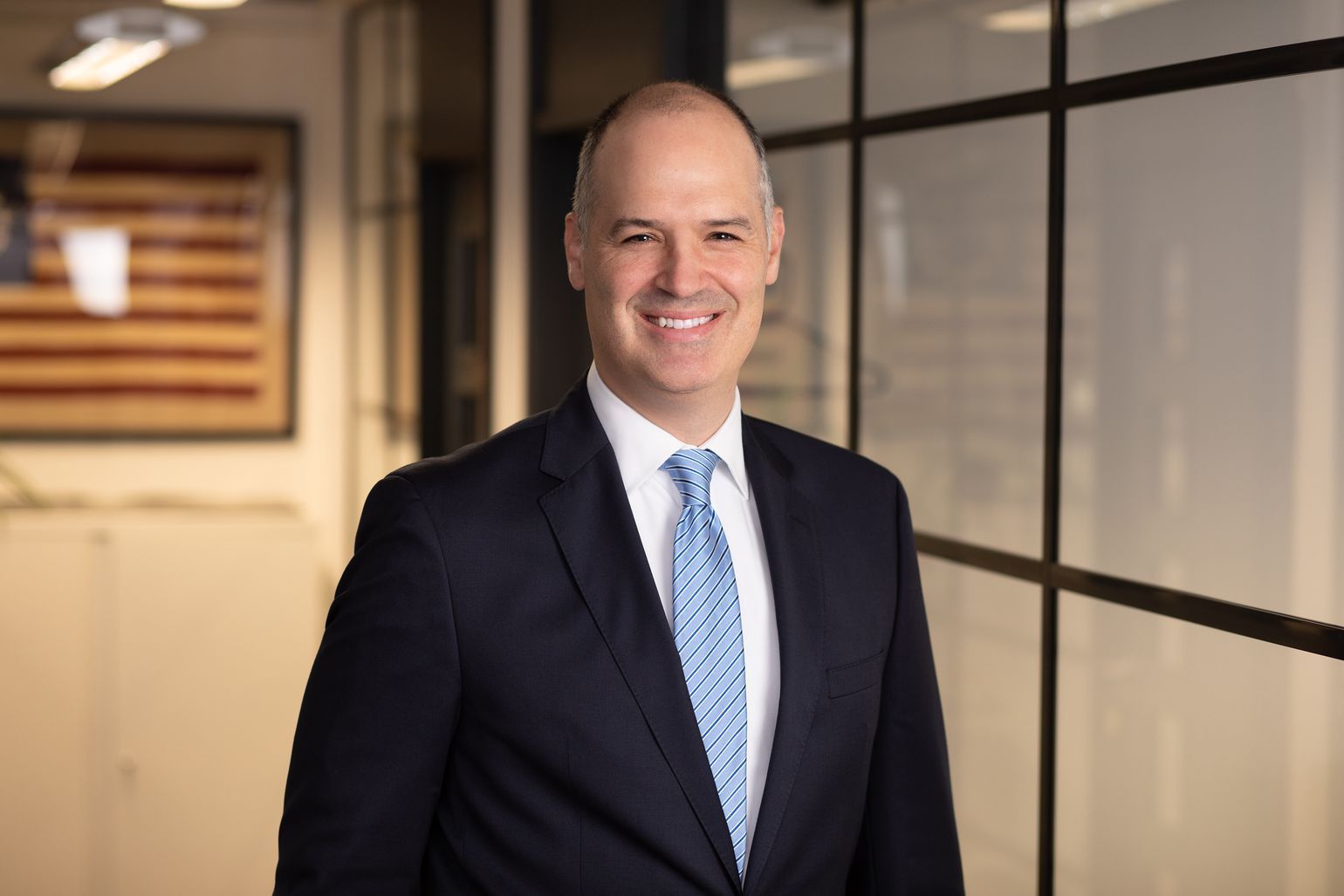
Michael S. Casey
Partner
London
Mike Casey is a dual-qualified, Chambers-ranked (Band 1) partner in Wilson Sonsini Goodrich & Rosati’s London office. His practice focuses on advising clients on sanctions, export controls, anti-corruption, and anti-money laundering issues in investigations, counseling, and compliance matters. In addition, he regularly acts as a specialist in mergers, acquisitions, venture financings, lending arrangements, and other types of corporate transactions. He also frequently advises clients on the UK’s National Security and Investment Act and other foreign direct investment review regimes.

Chambers UK noted that Mike is “a one-stop shop for global sanctions advice” who is “very responsive with his provision of highly commercial advice.” The publication also described Mike as “one of the most experienced practitioners in the market” who “understands and takes into consideration any necessary complexities and understands the importance of commerciality when giving recommendations.”

Mike has led numerous internal and government-initiated investigations involving potential violations of sanctions, export controls, anti-money laundering laws, anti-bribery laws, and fraud laws throughout the world. He has also represented individuals in pending and threatened litigation.

Mike regularly advises clients on a wide range of compliance issues. He works with clients to develop and implement state-of-the-art compliance programs, including corporate policies, training programs, and third-party procedures. Further, Mike assists clients with carrying out due diligence for many types of corporate transactions. He has successfully guided dozens of investors and companies through the NSI Act review process.

Prior to joining Wilson Sonsini, Mike was a partner in the London office of Kirkland & Ellis.

Mike is the author of Sanctions Enforcement and Compliance: A Practitioner’s Guide to OFAC, a treatise published by Bloomberg BNA. Additionally, leading legal publications have published more than 45 of his articles. He has been quoted in numerous publications, including The Wall Street Journal, The New York Times, and Global Investigations Review.
  • National Security and Trade
View Profile
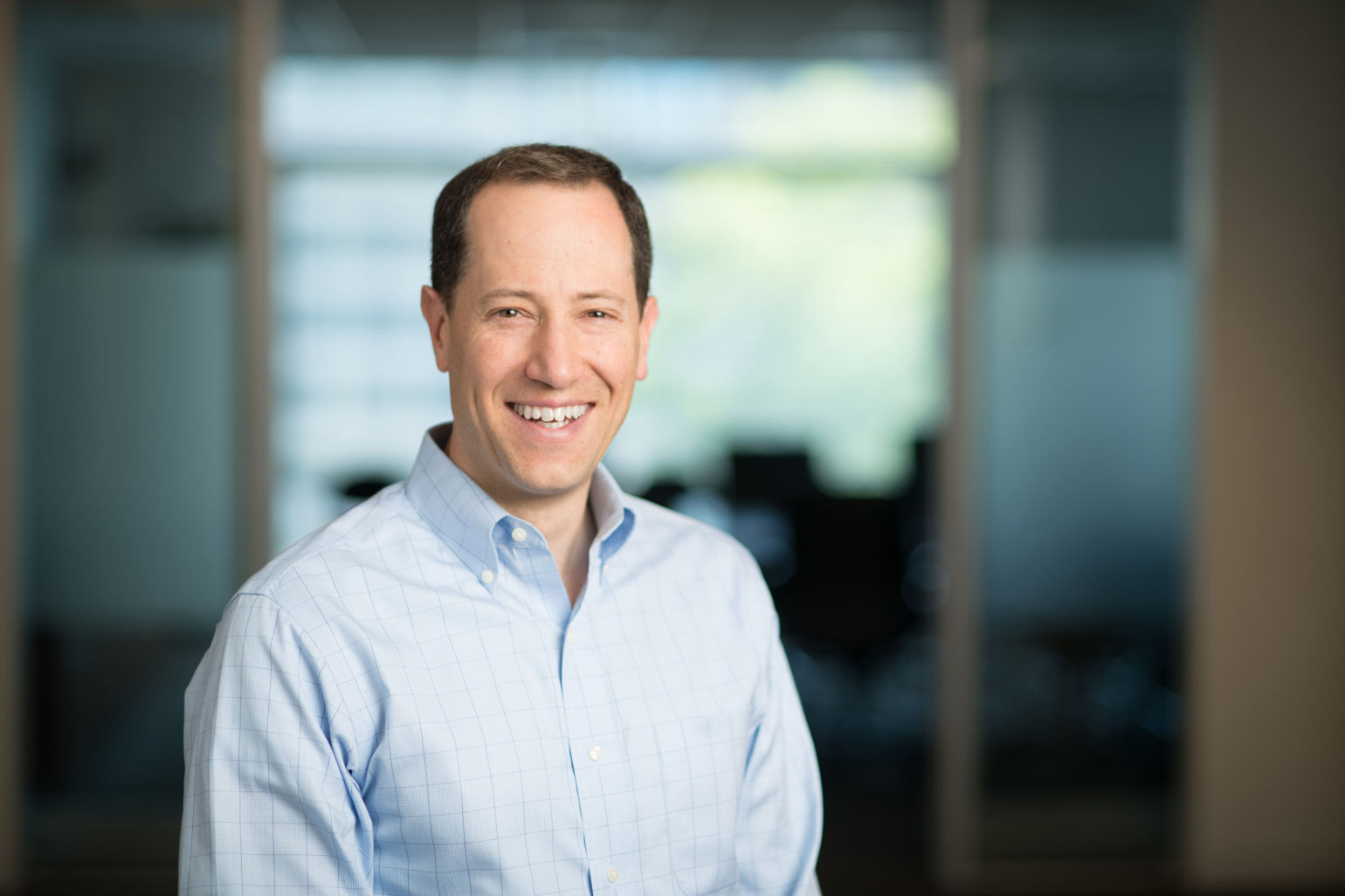
Stephen R. Heifetz
Partner
Washington, D.C.

Stephen advises clients on laws and policies at the intersection of international business and national security. He previously served in the U.S. government on the Committee on Foreign Investment in the U.S.

  • National Security and Trade
View Profile
Jack Davies
Of Counsel
London
Jack Davies is Of Counsel in the London office of Wilson Sonsini Goodrich & Rosati. His practice focuses on investigations and regulatory compliance matters related to money laundering, economic sanctions, export controls, corruption, and other white collar crime. He also advises clients on the UK’s National Security and Investment Act.
  • National Security and Trade
View Profile
Grace Beck
Associate
Washington, D.C.
Grace Beck is an associate in the Washington, D.C., office of Wilson Sonsini Goodrich & Rosati, where she focuses on national security and international trade regulatory matters. She advises domestic and foreign entities on matters before the Committee on Foreign Investment in the United States (CFIUS) and other foreign direct investment (FDI) reviews. Grace also counsels clients on compliance and enforcement pertaining to export controls and information and communications technology and services (ICTS) supply chain regulations administered by the Bureau of Industry and Security (BIS), economic sanctions administered by the Office of Foreign Assets Control (OFAC), and anti-money laundering laws administered by the Financial Crimes Enforcement Network (FinCEN) and other financial regulators.

While in law school, Grace served as the legal intern at the U.S. Department of Commerce for the Office of Information and Communications Technology and Services (OICTS) and the Office of Chief Counsel for BIS (OCC/IS), and for the Office of General Counsel at the Defense Intelligence Agency (DIA). Prior to law school, Grace worked as an administrator at a think tank specializing in international affairs and was a restaurateur.
  • National Security and Trade
View Profile
Georgia Cooper-Dervan
Associate
London
Georgia Cooper-Dervan is an associate in the London office of Wilson Sonsini Goodrich & Rosati. She focuses her practice on complex corporate, national security, and financial crime matters, including those relating to bribery and corruption, money laundering, financial and trade sanctions, export controls, fraud, and the application of the UK National Security & Investment Act.

Georgia regularly advises clients on a broad range of national security, white collar, international risk, and governance concerns. Her work includes conducting internal, governmental, and regulatory investigations. Georgia also provides clients with day-to-day strategic advice on compliance with anti-corruption and anti-money laundering laws, financial and trade sanctions, and national security regulations, as well as designing, implementing, and assessing financial crime compliance programs.
  • Regulatory
View Profile
People
Michael S. Casey
Partner
London
Mike Casey is a dual-qualified, Chambers-ranked (Band 1) partner in Wilson Sonsini Goodrich & Rosati’s London office. His practice focuses on advising clients on sanctions, export controls, anti-corruption, and anti-money laundering issues in investigations, counseling, and compliance matters. In addition, he regularly acts as a specialist in mergers, acquisitions, venture financings, lending arrangements, and other types of corporate transactions. He also frequently advises clients on the UK’s National Security and Investment Act and other foreign direct investment review regimes.

Chambers UK noted that Mike is “a one-stop shop for global sanctions advice” who is “very responsive with his provision of highly commercial advice.” The publication also described Mike as “one of the most experienced practitioners in the market” who “understands and takes into consideration any necessary complexities and understands the importance of commerciality when giving recommendations.”

Mike has led numerous internal and government-initiated investigations involving potential violations of sanctions, export controls, anti-money laundering laws, anti-bribery laws, and fraud laws throughout the world. He has also represented individuals in pending and threatened litigation.

Mike regularly advises clients on a wide range of compliance issues. He works with clients to develop and implement state-of-the-art compliance programs, including corporate policies, training programs, and third-party procedures. Further, Mike assists clients with carrying out due diligence for many types of corporate transactions. He has successfully guided dozens of investors and companies through the NSI Act review process.

Prior to joining Wilson Sonsini, Mike was a partner in the London office of Kirkland & Ellis.

Mike is the author of Sanctions Enforcement and Compliance: A Practitioner’s Guide to OFAC, a treatise published by Bloomberg BNA. Additionally, leading legal publications have published more than 45 of his articles. He has been quoted in numerous publications, including The Wall Street Journal, The New York Times, and Global Investigations Review.
  • National Security and Trade
View Profile
Stephen R. Heifetz
Partner
Washington, D.C.

Stephen advises clients on laws and policies at the intersection of international business and national security. He previously served in the U.S. government on the Committee on Foreign Investment in the U.S.

  • National Security and Trade
View Profile
Jack Davies
Of Counsel
London
Jack Davies is Of Counsel in the London office of Wilson Sonsini Goodrich & Rosati. His practice focuses on investigations and regulatory compliance matters related to money laundering, economic sanctions, export controls, corruption, and other white collar crime. He also advises clients on the UK’s National Security and Investment Act.
  • National Security and Trade
View Profile
Grace Beck
Associate
Washington, D.C.
Grace Beck is an associate in the Washington, D.C., office of Wilson Sonsini Goodrich & Rosati, where she focuses on national security and international trade regulatory matters. She advises domestic and foreign entities on matters before the Committee on Foreign Investment in the United States (CFIUS) and other foreign direct investment (FDI) reviews. Grace also counsels clients on compliance and enforcement pertaining to export controls and information and communications technology and services (ICTS) supply chain regulations administered by the Bureau of Industry and Security (BIS), economic sanctions administered by the Office of Foreign Assets Control (OFAC), and anti-money laundering laws administered by the Financial Crimes Enforcement Network (FinCEN) and other financial regulators.

While in law school, Grace served as the legal intern at the U.S. Department of Commerce for the Office of Information and Communications Technology and Services (OICTS) and the Office of Chief Counsel for BIS (OCC/IS), and for the Office of General Counsel at the Defense Intelligence Agency (DIA). Prior to law school, Grace worked as an administrator at a think tank specializing in international affairs and was a restaurateur.

  • National Security and Trade
View Profile
Georgia Cooper-Dervan
Associate
London
Georgia Cooper-Dervan is an associate in the London office of Wilson Sonsini Goodrich & Rosati. She focuses her practice on complex corporate, national security, and financial crime matters, including those relating to bribery and corruption, money laundering, financial and trade sanctions, export controls, fraud, and the application of the UK National Security & Investment Act.

Georgia regularly advises clients on a broad range of national security, white collar, international risk, and governance concerns. Her work includes conducting internal, governmental, and regulatory investigations. Georgia also provides clients with day-to-day strategic advice on compliance with anti-corruption and anti-money laundering laws, financial and trade sanctions, and national security regulations, as well as designing, implementing, and assessing financial crime compliance programs.
  • Regulatory
View Profile
Recent Insights
Alerts
FinCEN Finalizes Rule Requiring AML/CFT Programs for Registered Investment Advisers and Exempt Reporting Advisers
On September 4, 2024, the U.S Department of the Treasury’s Financial Crimes Enforcement Network (FinCEN) published a final rule that expands the definition of “financial institution” to include Registered Investment Advisers (RIAs) and Exempt Reporting Advisers (ERAs) and subjects these advisers to certain affirmative anti-money laundering (AML) requirements.1 FinCEN implemented this rule to address perceived risks regarding illicit finance and national security. Covered RIAs and ERAs must comply with the final rule, which requires implementing an AML program that includes certain specified elements, by January 1, 2026. While the final rule generally tracks the existing AML/CFT regime for other financial institutions, RIAs and ERAs had long been outside the ambit of AML/CFT regulations.
Learn More
Alerts
The Critical Reporting Requirement U.S. Companies Can’t Afford to Ignore: Upcoming Deadlines for Beneficial Ownership Information Compliance
On January 1, 2024, the new Beneficial Ownership Information (BOI) reporting requirements under the U.S. Corporate Transparency Act (CTA) took effect.
Learn More
View All
Recent Events
Affiliated Programs
Navigating the Growing Anti-Money Laundering Thicket for Technology Companies
Please join us for a webinar about significant anti-money laundering (AML) developments affecting technology companies. Panelists will include a representative from the U.S. Treasury Department’s Financial Crimes Enforcement Network (FinCEN), a primary anti-money laundering regulator, as well as an industry representative and Wilson Sonsini anti-money laundering lawyers.
Learn More
  • people
  • insights
  • about us
  • careers
  • Binder
  • Alumni
  • Mailing List Signup
  • Client FTP Portal
  • Privacy Policy
  • Terms of Use
  • Accessibility
WSGR logo
Twitter
LinkedIn
Facebook
Instagram
Youtube
Copyright © 2026 Wilson Sonsini Goodrich & Rosati. All Rights Reserved.