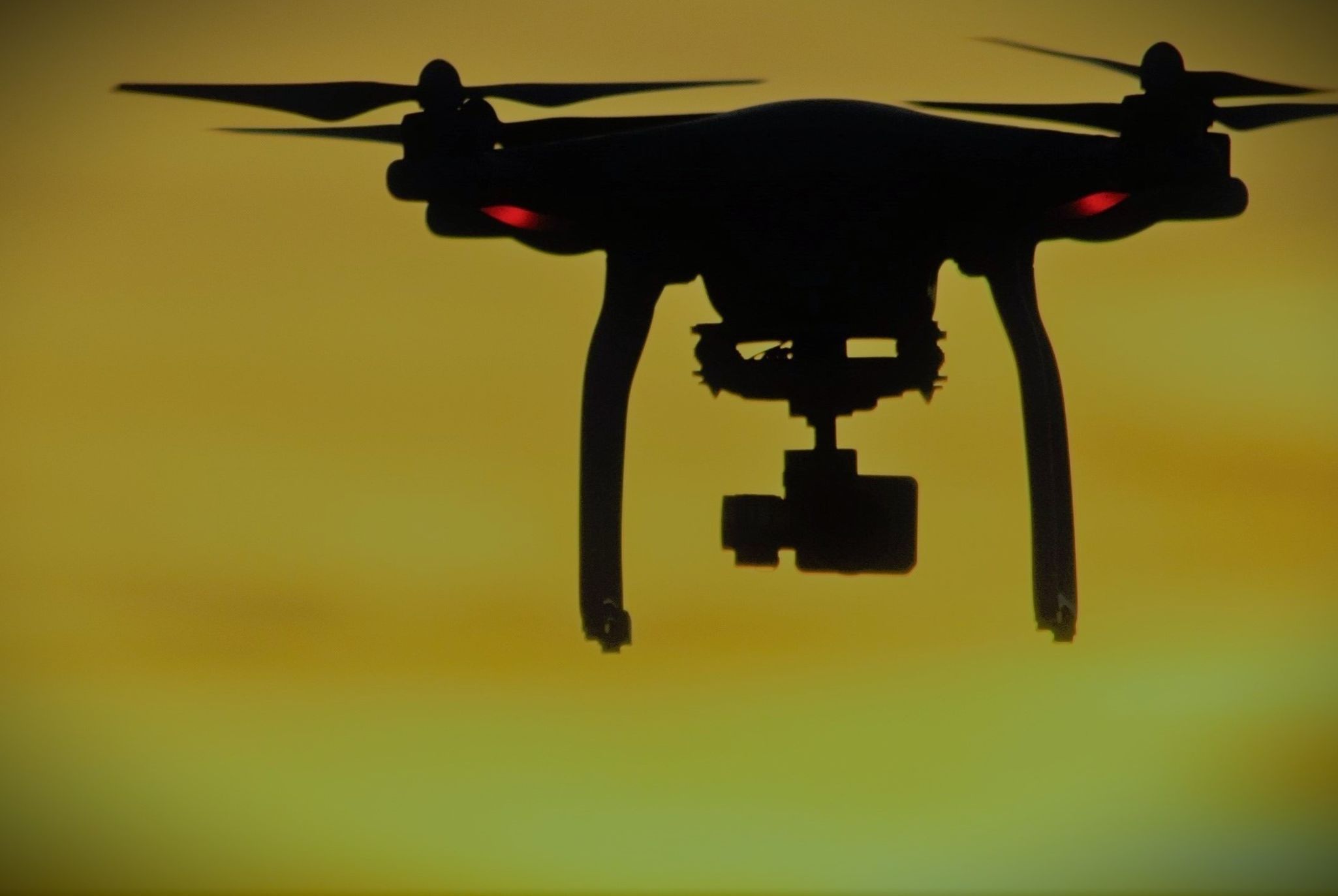
On December 22, 2025, in a surprising and unprecedented action, the Public Safety and Homeland Security Bureau of the Federal Communications Commission (FCC) added to the FCC’s Covered List new models of foreign-made uncrewed aircraft systems (UAS)—commonly referred to as drones—as well as the critical components of these drones. This action effectively bans the importation, marketing, and sale of all such drones and components in the U.S. This client alert unpacks the key issues and questions around the FCC’s action.
Key Takeaways:
- The FCC Adds Foreign-Made Drones and Their Critical Components to Its Covered List. As expected, the FCC added to its Covered List communications and video surveillance equipment and services produced by certain Chinese companies identified in the FY25 National Defense Authorization Act (2025 NDAA). However, in a surprising and unprecedented escalation, the FCC expanded the list of covered equipment to also include all new foreign-made drones and their critical components, marking the first time the FCC has added an entire product category—rather than a named entity—to its Covered List.
- The FCC’s Covered List Serves as a Functional U.S. Market Entry Ban. Equipment on the Covered List is prohibited from receiving an FCC equipment authorization, which is generally required for most wireless devices—including drones—before they can be imported or sold in the U.S.
- The Ban Only Applies to New Models. The FCC is not, for the time being, rescinding any existing equipment authorizations. Models that are already authorized may continue to be imported and sold in the U.S., and consumers can continue to use drones they have lawfully acquired.
- Possible Future Exemptions. The FCC said it will update the Covered List if it receives a further specific determination from the U.S. Department of Defense (DOD), also referred to as the U.S. Department of War (DOW), or the U.S. Department of Homeland Security (DHS) that a given UAS, class of UAS, or UAS critical component does not pose an unacceptable national security risk—i.e., in the future, the ban might not apply to specified drones and components.
What’s the Background Here?
The Public Notice was issued in direct response to a December 21, 2025 National Security Determination (Determination) made by an executive branch interagency body. The Determination found that all UAS and UAS critical components produced in foreign countries pose an unacceptable risk to U.S. national security and should be added to the FCC’s Covered List, unless the DOW or DHS makes a specific determination that the UAS or UAS critical component does not pose such an unacceptable national security risk.
Both the Determination and the Public Notice fit into the Trump Administration’s broader effort to assert greater control over U.S. national airspace and boost the American drone industry, as set forth in the President’s June 6, 2025 Executive Orders: Restoring American Airspace Sovereignty and Unleashing American Drone Dominance . The Trump Administration has expressed particular concern regarding security at major mass-gathering events the U.S. will host in the near future—namely, the 2026 World Cup, the America250 celebrations, and the 2028 Olympic and Paralympic Games—as well as broader concerns regarding national security risks posed by foreign-produced drone technologies, such as UAS attacks, unauthorized surveillance, sensitive data exfiltration, and supply chain vulnerabilities. The Trump Administration has stressed that building a strong and secure domestic drone sector is vital to reducing reliance on foreign sources and mitigating potential national security risks.
Separately, the 2025 NDAA required the FCC to add the communications and video surveillance equipment produced by certain Chinese companies named in the 2025 NDAA to the Covered List on December 23, 2025, absent a contrary determination by a national security agency.
What Did the FCC Do?
The FCC added to its Covered List all UAS and UAS critical components produced in a foreign country as well as all communications and video surveillance equipment and services produced by certain Chinese entities listed in the 2025 NDAA.
For the purposes of the FCC’s action, the term UAS includes both the aircraft system and its “associated elements” that are required for the operation of the uncrewed aircraft, such as the uncrewed aircraft station, communication links, and the control station. “UAS Critical Components” is also broadly defined as “includ[ing] but … not limited to the following UAS components and any associated software”:
- Data transmission devices
- Communications systems
- Flight controllers
- Ground control stations and UAS controllers
- Navigation systems
- Sensors and cameras
- Batteries and battery management systems
- Motors
What Is the FCC’s Covered List?
The Covered List is a list of communications equipment and services, or “covered” equipment, maintained by the FCC’s Public Safety and Homeland Security Bureau, “that are deemed to pose an unacceptable risk to the national security of the United States or the security and safety of United States persons.” As set forth by Section 2 of the Secure and Trusted Communications Networks Act of 2019 (often called the “Secure Networks Act”), the Covered List is constituted by, among other statutorily specified sources, “a specific determination made by any executive branch interagency body with appropriate national security expertise.” The FCC cannot update this list on its own and is required to implement determinations that are made by certain national security agency experts.
Equipment on the Covered List is prohibited from obtaining an FCC equipment authorization, required of most radio frequency (RF)-emitting devices—including dual-use technologies such as drones—before they can be imported, marketed, or sold in the U.S. Consequently, the FCC’s Covered List serves as a functional ban on U.S. market entry.
What Is the Immediate Effect of the FCC’s Action?
The immediate effect of the FCC’s Public Notice is that, going forward, UAS and UAS critical components produced in any foreign country are no longer eligible to receive FCC equipment authorizations and therefore cannot be imported or sold in the U.S. Additionally, all entities seeking to obtain an equipment authorization for UAS and UAS critical components will need to certify in their applications that the equipment is not prohibited from receiving an equipment authorization by virtue of being “covered” equipment.
However, the ban is prospective—the FCC is not rescinding existing equipment authorizations for foreign-manufactured drone models, nor does the action affect any previously purchased drones. Accordingly, equipment that is already FCC-authorized may continue to be imported and sold in the U.S., and consumers who own lawfully acquired drones can continue to use them. Even so, equipment authorization holders should be aware that even minor modifications to an FCC-authorized device or component may require a new or amended FCC equipment authorization, thereby triggering the Covered List restrictions. Additionally, on October 28, 2025, the FCC adopted an order establishing a process by which it can restrict previously authorized equipment that is on the Covered List, which the FCC could use to further restrict certain drone producers.
Why Is This Action Considered Unprecedented?
The inclusion of UAS and UAS critical components on the FCC’s Covered List marks the first time an entire product category—rather than a named entity—has been added. Moreover, while the 2025 NDAA signaled the addition of UAS and UAS components produced by certain Chinese drone manufacturers to the FCC’s Covered List, the Determination and subsequent FCC action went much further, covering all non-U.S. origin UAS and UAS components rather than focusing on the identity of the manufacturer.
Consistent with the Trump administration’s policy to “scale up domestic production and expand the export of trusted, American-manufactured drone technologies to global markets,” this blanket ban on all foreign-produced UAS and UAS critical components reflects a broadening of the FCC’s Council on National Security’s approach, adding industrial and supply chain considerations to its past focus on mitigating threats posed by foreign adversaries.
Looking Ahead: What Should Drone Makers Be Considering?
The FCC’s action has meaningful implications for participants across the drone ecosystem. Although the action is prospective and does not affect existing equipment authorizations, it effectively limits U.S. market entry for new foreign-produced UAS and UAS critical components that require FCC authorization.
Drone producers and operators will need to adjust their strategies to account for these new restrictions. In particular, entities should, to the extent practicable, assess and reduce dependencies on foreign supply chains—especially those involving manufacturers or suppliers located in countries identified by the FCC as foreign adversaries, such as the People’s Republic of China and Russia—and consider steps to onshore drone manufacturing or expand U.S.-based manufacturing and assembly capabilities.
While questions remain regarding the feasibility and timing of onshoring production, as well as whether the federal government will establish exemptions or carve-outs, drone producers should begin evaluating how the Covered List designation may affect current operations, future product development, and long-term supply chain planning. Stakeholders should also monitor further guidance from, or actions by, the FCC and other relevant agencies that could result in updates to the Covered List or additional compliance obligations.
Please reach out to Stephen Heifetz, Joshua Gruenspecht, or Sophia Galleher, or another member of Wilson Sonsini’s National Security and Trade practice or Communications practice with questions regarding any of the matters discussed above.