

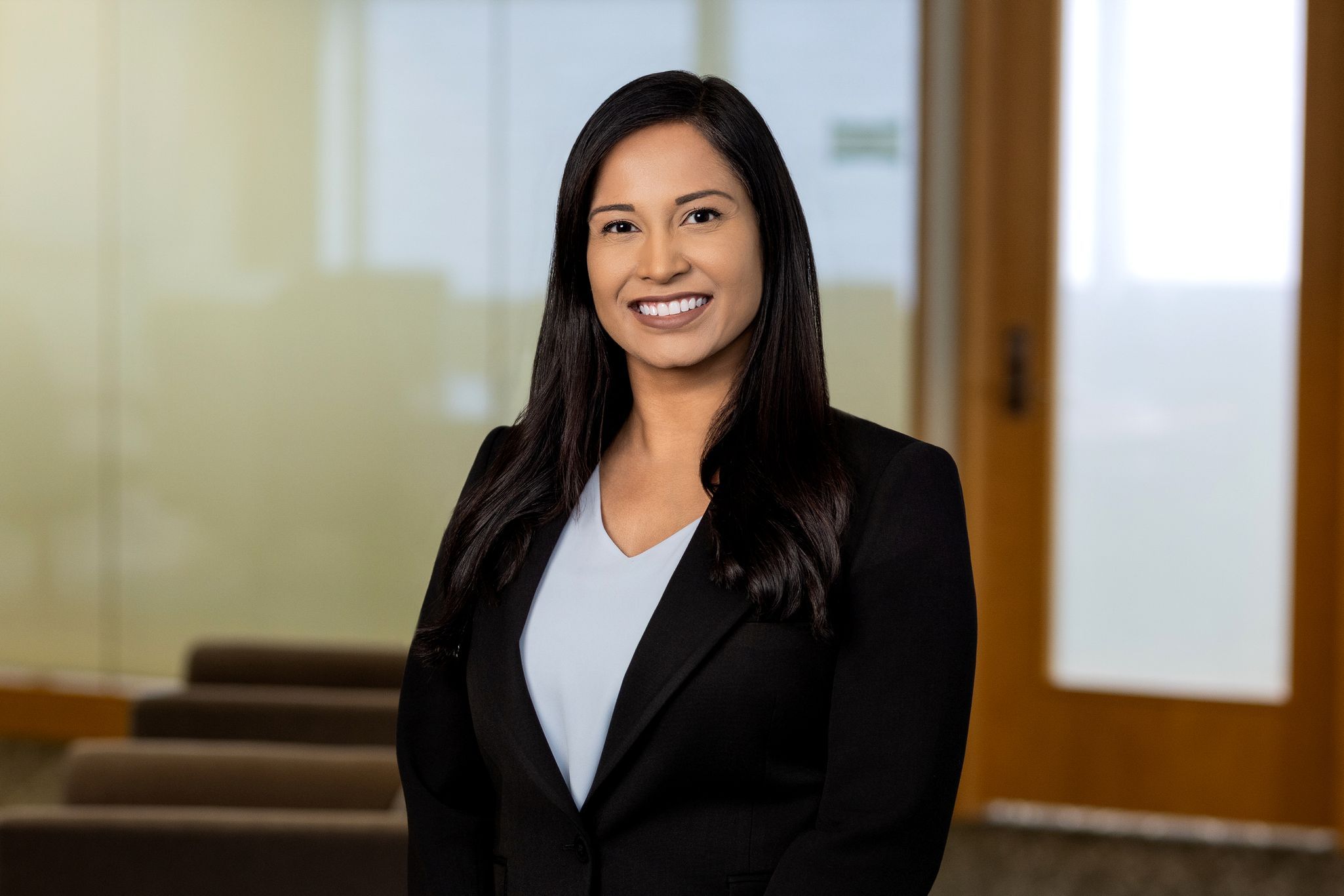
Ty Kayam is Of Counsel in the Seattle office of Wilson Sonsini Goodrich & Rosati, where she advises companies and investors on regulatory strategy for health technology products, with a particular focus on health AI, digital health, wearables, medical robotics, and health data infrastructure. She counsels clients throughout product development and commercialization and advises on health regulatory issues arising in financings, investments, partnerships, and strategic transactions. Her practice draws on experience at the FDA, Microsoft, and a national health information network, combining regulatory insight, technical fluency, and a systems-level understanding of how health technologies are developed, deployed, and scaled.
Prior to joining Wilson Sonsini, Ty served as the first attorney in the FDA's Digital Health Center of Excellence, where she worked on the agency's regulatory approach to emerging health technologies, including generative AI-enabled medical devices. Her work focused on performance validation, evidentiary expectations, pre- and post-market regulatory issues, and predetermined change control plans (PCCPs). She also worked on U.S. and international regulatory alignment and advised on cross-jurisdictional matters involving Canada, the United Kingdom, and the European Union.
Previously, Ty was senior corporate counsel for Microsoft's health AI product portfolio and supported the company's global health regulatory and policy strategy, including developing compliance frameworks for health products under emerging EU regulations. Before Microsoft, she was an attorney at a national health information network, where she worked on the infrastructure that enables health technologies to exchange data in practice. This included matters related to interoperability, information blocking, EHR connectivity, APIs, and clinical data exchange.
Ty is a frequent speaker and commentator on health technology law, AI regulation, and health data policy. She serves on the editorial board of npj Digital Medicine and as a peer reviewer for BMJ Digital Health & AI. She has taught health technology law as an adjunct professor at Seattle University School of Law and guest lectured at law schools throughout the United States and Canada. Ty is fluent in Telugu and conversational in Hindi.
Ty Kayam is Of Counsel in the Seattle office of Wilson Sonsini Goodrich & Rosati, where she advises companies and investors on regulatory strategy for health technology products, with a particular focus on health AI, digital health, wearables, medical robotics, and health data infrastructure. She counsels clients throughout product development and commercialization and advises on health regulatory issues arising in financings, investments, partnerships, and strategic transactions. Her practice draws on experience at the FDA, Microsoft, and a national health information network, combining regulatory insight, technical fluency, and a systems-level understanding of how health technologies are developed, deployed, and scaled.
Prior to joining Wilson Sonsini, Ty served as the first attorney in the FDA's Digital Health Center of Excellence, where she worked on the agency's regulatory approach to emerging health technologies, including generative AI-enabled medical devices. Her work focused on performance validation, evidentiary expectations, pre- and post-market regulatory issues, and predetermined change control plans (PCCPs). She also worked on U.S. and international regulatory alignment and advised on cross-jurisdictional matters involving Canada, the United Kingdom, and the European Union.
Previously, Ty was senior corporate counsel for Microsoft's health AI product portfolio and supported the company's global health regulatory and policy strategy, including developing compliance frameworks for health products under emerging EU regulations. Before Microsoft, she was an attorney at a national health information network, where she worked on the infrastructure that enables health technologies to exchange data in practice. This included matters related to interoperability, information blocking, EHR connectivity, APIs, and clinical data exchange.
Ty is a frequent speaker and commentator on health technology law, AI regulation, and health data policy. She serves on the editorial board of npj Digital Medicine and as a peer reviewer for BMJ Digital Health & AI. She has taught health technology law as an adjunct professor at Seattle University School of Law and guest lectured at law schools throughout the United States and Canada. Ty is fluent in Telugu and conversational in Hindi.
- J.D., Northeastern University School of Law, 2016
Editor, Northeastern Law Review; Health Law Moot Court Program
- M.P.H., Tufts University, 2016
- B.S., Biology, Acadia University, 2013Concentration in Genetics, Minor in Chemistry
- Vice Chair, eHealth, Privacy, and Security Committee, American Bar Association, Health Law Section, 2020-2021, 2022-2023
- Vice Chair, Cybersecurity Task Force, American Bar Association, Health Law Section, 2021-2023
- Health Information and Technology Practice Group, American Health Law Association, 2021-2023
- Co-Chair, Women in Health & Life Sciences Law, National Association of Women Lawyers, 2020-2021
- Recipient of the 2025 FDA Digital Health Above and Beyond Award
- Named 2023 Emerging Young Lawyer in Healthcare by the American Bar Association’s Health Law Section
- Named 2021 Rising Star by the National Association of Women Lawyers
- State Bar of Washington
- State Bar of Massachusetts
- J.D., Northeastern University School of Law, 2016
Editor, Northeastern Law Review; Health Law Moot Court Program
- M.P.H., Tufts University, 2016
- B.S., Biology, Acadia University, 2013Concentration in Genetics, Minor in Chemistry
- Vice Chair, eHealth, Privacy, and Security Committee, American Bar Association, Health Law Section, 2020-2021, 2022-2023
- Vice Chair, Cybersecurity Task Force, American Bar Association, Health Law Section, 2021-2023
- Health Information and Technology Practice Group, American Health Law Association, 2021-2023
- Co-Chair, Women in Health & Life Sciences Law, National Association of Women Lawyers, 2020-2021
- Recipient of the 2025 FDA Digital Health Above and Beyond Award
- Named 2023 Emerging Young Lawyer in Healthcare by the American Bar Association’s Health Law Section
- Named 2021 Rising Star by the National Association of Women Lawyers
- State Bar of Washington
- State Bar of Massachusetts
Select Publications
- Co-author, “Health Care Regulatory Diligence Considerations for Digital Health Transactions,” American Health Law Association, April 21, 2022
- Co-author, “Privacy as a competitive differentiator: Building an effective and strategic healthcare privacy program,” IAPP, October 20, 2021
- Co-author, “Will You Share My Data, Please? Evolving Legal Frameworks to Address Information Sharing by and for Patients,” The SciTech Journal, June 30, 2021
- Co-author, “Connected Devices in Healthcare: Current Legal Framework,” American Health Law Association, January 1, 2019
Select Speaking Engagements
- Speaker, “Digital Transformation in Healthcare & Regulatory Innovation,” Women in Bio Seattle and ORCA, Seattle, Washington, 2025
- Speaker, “AI for Health & Research: Policy, Practice and Governance,” Data Privacy for Health & Life Sciences Summit, San Francisco, California, 2025
- Speaker, “Where AI Meets Humanity in Healthcare: What’s Next?” Seattle University Ethics & Tech Conference, Seattle, Washington, 2024
- Speaker, “Artificial Intelligence: Recent Developments and Hot Topics,” American Health Law Association Annual Meeting, Washington, D.C., 2024
- Speaker, Digital Health Counsel 2024 and 2025 AI Summit, Seattle, Washington
Select Publications
- Co-author, “Health Care Regulatory Diligence Considerations for Digital Health Transactions,” American Health Law Association, April 21, 2022
- Co-author, “Privacy as a competitive differentiator: Building an effective and strategic healthcare privacy program,” IAPP, October 20, 2021
- Co-author, “Will You Share My Data, Please? Evolving Legal Frameworks to Address Information Sharing by and for Patients,” The SciTech Journal, June 30, 2021
- Co-author, “Connected Devices in Healthcare: Current Legal Framework,” American Health Law Association, January 1, 2019
Select Speaking Engagements
- Speaker, “Digital Transformation in Healthcare & Regulatory Innovation,” Women in Bio Seattle and ORCA, Seattle, Washington, 2025
- Speaker, “AI for Health & Research: Policy, Practice and Governance,” Data Privacy for Health & Life Sciences Summit, San Francisco, California, 2025
- Speaker, “Where AI Meets Humanity in Healthcare: What’s Next?” Seattle University Ethics & Tech Conference, Seattle, Washington, 2024
- Speaker, “Artificial Intelligence: Recent Developments and Hot Topics,” American Health Law Association Annual Meeting, Washington, D.C., 2024
- Speaker, Digital Health Counsel 2024 and 2025 AI Summit, Seattle, Washington