

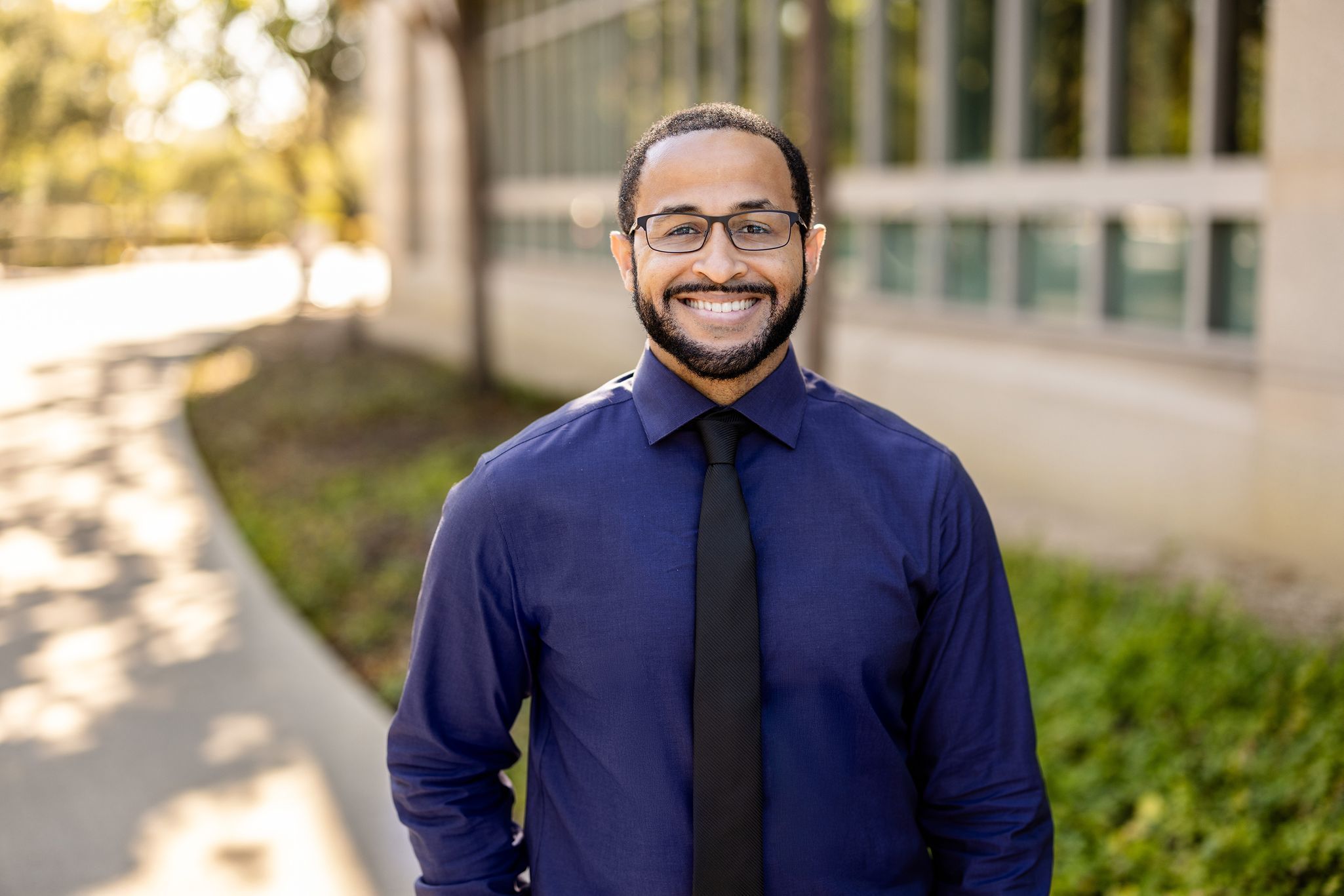
Dr. Eric Nealy is a patent agent in the Palo Alto office of Wilson Sonsini Goodrich & Rosati, specializing in biological sciences. He has worked with clients across various scientific fields, including cancer therapy, food science, chemistry, and medical devices.
Before joining the firm, Eric earned his Ph.D. in pathology (molecular medicine and mechanisms of disease) from the University of Washington. He led a collaborative project that integrated immuno-oncology, protein engineering, and bio-orthogonal materials to treat pediatric brain tumors in animal models.
Eric then became a postdoctoral fellow at Seattle Children’s Research Institute, where he focused on antibody therapeutics and a wider range of cancers, including those affecting adults. His first publication in The Journal of Bioengineering and Translational Medicine highlights his research contributions and versatile skill set.
Dr. Eric Nealy is a patent agent in the Palo Alto office of Wilson Sonsini Goodrich & Rosati, specializing in biological sciences. He has worked with clients across various scientific fields, including cancer therapy, food science, chemistry, and medical devices.
Before joining the firm, Eric earned his Ph.D. in pathology (molecular medicine and mechanisms of disease) from the University of Washington. He led a collaborative project that integrated immuno-oncology, protein engineering, and bio-orthogonal materials to treat pediatric brain tumors in animal models.
Eric then became a postdoctoral fellow at Seattle Children’s Research Institute, where he focused on antibody therapeutics and a wider range of cancers, including those affecting adults. His first publication in The Journal of Bioengineering and Translational Medicine highlights his research contributions and versatile skill set.
- Ph.D., Pathology (Molecular Medicine & Mechanisms of Disease), University of Washington, 2021
Dissertation: Enhancing Local Delivery of Macrophage Checkpoint Inhibitors with Chemokine Gradients to Lure and Destroy Pediatric Brain Tumor Cells
- B.S., Biology, University of California, Los Angeles, 2012Dean’s Honors List
- Invent @ SC Post-Doctoral Scholars Program, Seattle Children’s Research Institute, 2022-2024
- Summer Undergraduate Research Program (SURP) Mentor, Fred Hutch Cancer Center, 2018
- Hutch United (HU) Executive Co-Chair and Community Development Officer, Fred Hutch Cancer Center, 2017- 2021
- Husky 100 Award at UW for Academic & Extracurricular Excellence, 2021
- NIH Diversity Supplement for Grant R01CA114567-13, 2021
- Howard Hughes Medical Institute Gilliam Fellowship for Advanced Study, 2017
- UW/Fred Hutch Interdisciplinary Mentorship Training Grant, 2016
- Alex’s Lemonade Stand Fund Grant for Pediatric Brain Tumor Research, 2015
- U.S. Patent and Trademark Office
- Ph.D., Pathology (Molecular Medicine & Mechanisms of Disease), University of Washington, 2021
Dissertation: Enhancing Local Delivery of Macrophage Checkpoint Inhibitors with Chemokine Gradients to Lure and Destroy Pediatric Brain Tumor Cells
- B.S., Biology, University of California, Los Angeles, 2012Dean’s Honors List
- Invent @ SC Post-Doctoral Scholars Program, Seattle Children’s Research Institute, 2022-2024
- Summer Undergraduate Research Program (SURP) Mentor, Fred Hutch Cancer Center, 2018
- Hutch United (HU) Executive Co-Chair and Community Development Officer, Fred Hutch Cancer Center, 2017- 2021
- Husky 100 Award at UW for Academic & Extracurricular Excellence, 2021
- NIH Diversity Supplement for Grant R01CA114567-13, 2021
- Howard Hughes Medical Institute Gilliam Fellowship for Advanced Study, 2017
- UW/Fred Hutch Interdisciplinary Mentorship Training Grant, 2016
- Alex’s Lemonade Stand Fund Grant for Pediatric Brain Tumor Research, 2015
- U.S. Patent and Trademark Office
Select Publications
- First author, “Versatile tissue-injectable hydrogels capable of the extended hydrolytic release of bioactive protein therapeutics,” The Journal of Bioengineering and Translational Medicine, 2024
Select Speaking Engagements
- First author and presenter, “Intraparenchymal delivery of chemokines and immunomodulators to eliminate pediatric brain tumor cells” poster, American Association for Cancer Research Annual Meeting, Atlanta, Georgia, 2017
Select Publications
- First author, “Versatile tissue-injectable hydrogels capable of the extended hydrolytic release of bioactive protein therapeutics,” The Journal of Bioengineering and Translational Medicine, 2024
Select Speaking Engagements
- First author and presenter, “Intraparenchymal delivery of chemokines and immunomodulators to eliminate pediatric brain tumor cells” poster, American Association for Cancer Research Annual Meeting, Atlanta, Georgia, 2017
Biological Sciences and Biotechnology
- Antibody
- Bioconjugation
- Biologics
- Cancer biology
- Cancer therapeutics
- CAR-T cells
- Cell culture products
- Cell therapy
- Immuno-oncology
- Molecular biology
- PCR
- T and B cell biology
- T cell biology
- T cell immunology
Therapeutics and Drug Discovery
- Drug conjugates
- Drug delivery
- Immunotherapy targets
- Peptide therapeutics
Chemistry and Material Science
- Chemical synthesis
- Chemoenzymatic Synthesis
- Organic chemistry
- Polymers
- Protein engineering
Miscellaneous
- Cancer
- Engineered foods
- Fluorescence microscopy
- Food science
Biological Sciences and Biotechnology
- Antibody
- Bioconjugation
- Biologics
- Cancer biology
- Cancer therapeutics
- CAR-T cells
- Cell culture products
- Cell therapy
- Immuno-oncology
- Molecular biology
- PCR
- T and B cell biology
- T cell biology
- T cell immunology
Therapeutics and Drug Discovery
- Drug conjugates
- Drug delivery
- Immunotherapy targets
- Peptide therapeutics
Chemistry and Material Science
- Chemical synthesis
- Chemoenzymatic Synthesis
- Organic chemistry
- Polymers
- Protein engineering
Miscellaneous
- Cancer
- Engineered foods
- Fluorescence microscopy
- Food science