Larry Sonsini Honored by Computer History Museum as it Launches Exponential Center
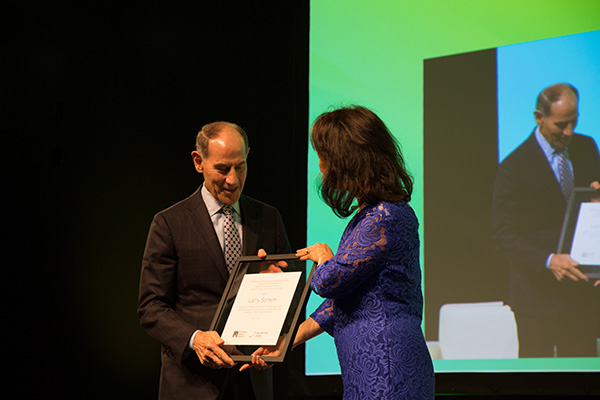
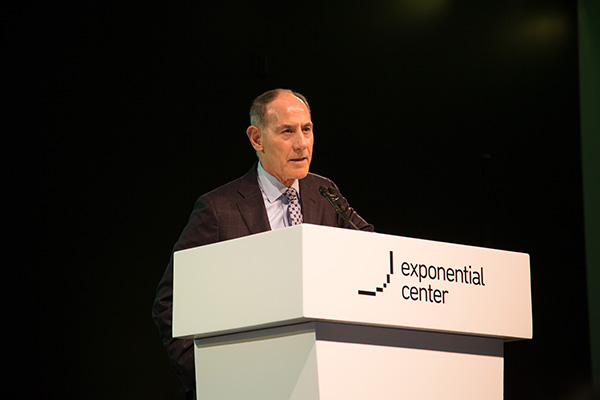
On June 2, 2016, Wilson Sonsini Goodrich & Rosati Chairman Larry Sonsini was one of several distinguished honorees at a Computer History Museum gala that celebrated the founders and builders of the Digital Age. The invitation-only event celebrated the museum's launch of the Exponential Center, the first institution dedicated to "capturing the legacy—and advancing the future—of entrepreneurship and innovation in Silicon Valley and around the world." Sonsini is a founding advisor of the Exponential Center.
The gala, which was attended by more than 250 company founders, innovators, and entrepreneurs, brought together pioneering leaders who built legendary companies from key industry sectors—including semiconductors, computing, software, the Internet, social, and mobile—over the past 50 years, as well as vital supporting institutions that have made entrepreneurial success possible. In addition to Larry, the event's honorees included Intel co-founder Gordon Moore, Fairchild Semiconductor co-founder Jay Last, prolific investor (and first venture capitalist) Arthur Rock, marketing guru Regis McKenna, and Kleiner Perkins Caufield & Byers Chairman John Doerr. Special tributes to Intuit CEO Bill Campbell and Intel co-founder and CEO Andy Grove were given by Numenta CEO Donna Dubinsky and Breyer Capital CEO Jim Breyer.
The Exponential Center is part of a major strategic expansion of the Computer History Museum. Funded by a growing community of supporters, including Veritas Software founder Mark Leslie, pioneering venture capitalist Franklin "Pitch" Johnson, and Venrock veteran Ray Rothrock, it seeks to inform and inspire the next generation of changemakers through collections, exhibitions, events, research, and thought leadership.
"Silicon Valley is more than a place; it is a concept of innovation, entrepreneurialism, and commercialization of technology," said Sonsini. "The Exponential Center at the Computer History Museum will bring together not only the Valley's history but also its recipe of success and its impact on our future."
For more information, please see the Computer History Museum's press release.