Consistent with Executive Order 14312 and following OFAC’s rescission of economic sanctions on Syria on July 1, 2025, the U.S. Department of Commerce’s Bureau of Industry and Security (BIS) has announced updates to the Syria-related controls in the Export Administration Regulations (EAR). The rule implementing these changes was published on September 2, 2025, as a final rule and is now effective.
BIS opted to retain anti-terrorism (AT) controls and maintain license requirements for all items subject to the EAR. However, BIS relaxed the current EAR restrictions on exports and reexports to Syria by: 1) adding, expanding, or revising license exceptions available for exports and reexports to Syria, and 2) revising licensing review policies for specified items to make them more favorable.
Expanded License Exception Availability
BIS has introduced a new license exception to authorize the export and re-export of EAR99 items to Syria and expanded existing license exceptions to cover certain transactions with Syria involving specified items listed on the Commerce Control List (CCL).
License Exception Syria Peace and Prosperity (SPP) is a new license exception created to authorize the export and reexport of EAR99 items to Syria. License Exception SPP applies to all transactions involving EAR99 items, unless the items are being provided to a restricted party or for a restricted end use.
The license exceptions that were expanded include:
- Expansion of Consumer Communications Devices (CCD) License Exception: Syria has been added as an authorized country under this exception, which generally applies to consumer communications devices classified as EAR99 and under ECCNs 4A994, 5A991, 5A992 (including cell phones, tablets, personal computers, and computer accessories), and certain related software. Exports under this exception cannot be made to any restricted parties or end-uses.
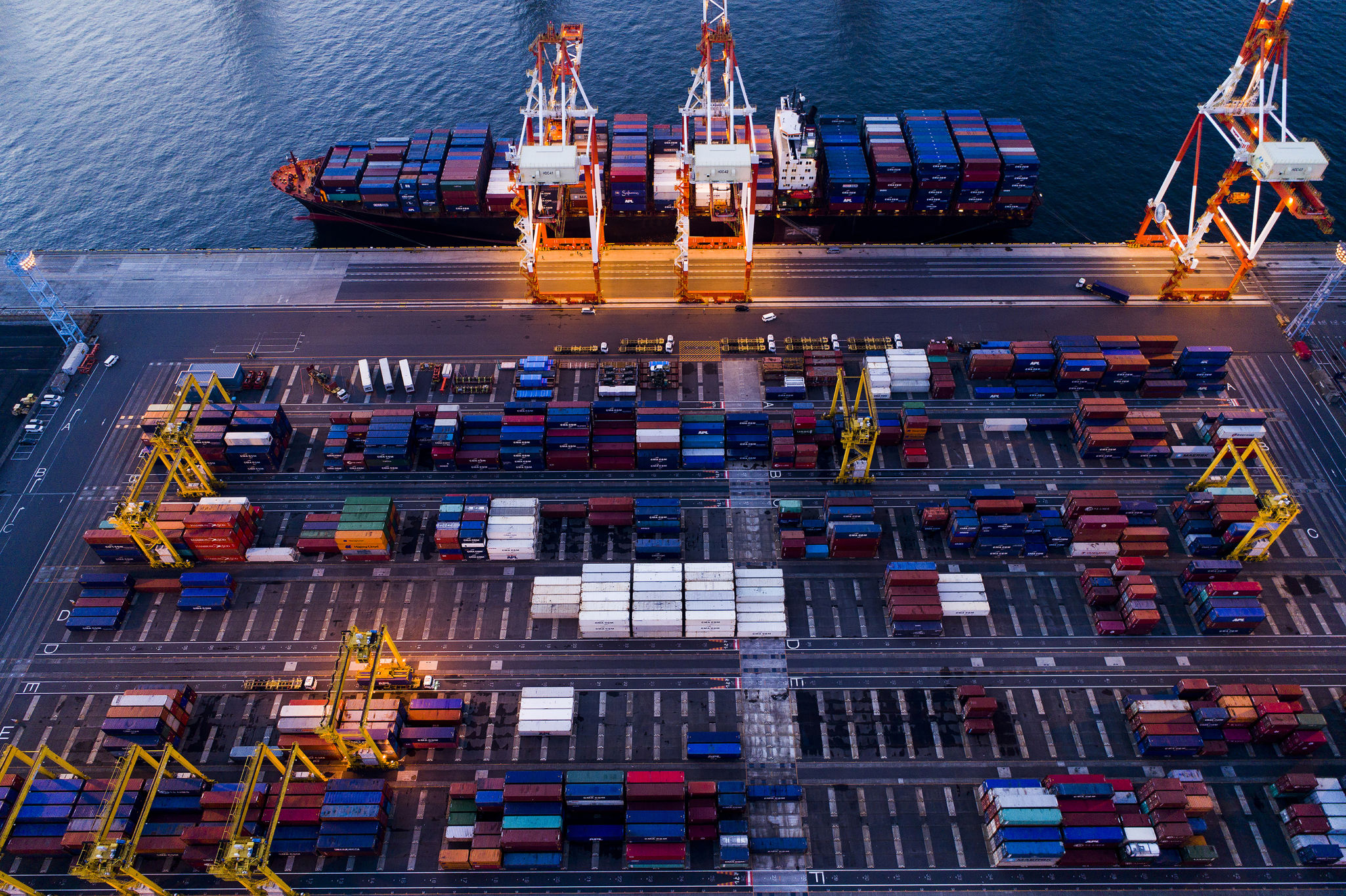
- Expansion of Temporary Imports, Exports, Reexports, and (In-Country) Transfers (TMP): The scope of License Exception TMP has been expanded beyond authorization for use by the news media to include additional situations involving temporary exports including: 1) technology exported temporarily for use by U.S. persons or their authorized employees while traveling to Syria, 2) exports to U.S. person’s foreign subsidiaries, affiliates, or facilities in Syria, 3) personal protective equipment, and 4) shipping containers.
- Revisions to License Exception for Aircraft, Vessels, and Spacecraft (AVS): Under License Exception AVS, equipment and spare parts for aircraft and vessels that are designated as EAR99 or controlled on the CCL only for AT reasons are now eligible to be sent to Syria, but as above, this exception is also subject to certain restrictions and conditions to ensure exports under AVS do not significantly contribute to Syria’s military potential or ability to support acts of international terrorism.
- Expansion of Eligibility for License Exception Servicing and Replacement of Parts and Equipment (RPL): License Exception RPL has been made available for exports and reexports to Syria of certain items, with the exception of items being exported or reexported to Syrian police, military, or intelligence end users or for related end uses.
- Expansion of License Exception Technology and Software—Unrestricted (TSU): While some technology and software were already authorized for export under TSU to Syria, this new rule expands the eligibility of TSU to include exporting copies of technology previously authorized for export to the same recipient.
- Expansion of License Exception Governments, International Organizations, International Inspections Under the Chemical Weapons Convention, and the International Space Station (GOV): Exports or reexports to Syria made for, on behalf of, at the direction of, or in furtherance of a contract involving a department or agency of the U.S. government or to cooperating governments and NATO are now authorized under License Exception GOV.
Encryption items, including mass market encryption items classified in ECCNs 5A992 or 5D992, continue to require a license for export or re-export to Syria unless eligible for one of the license exceptions described above.
Favorable Licensing Policy
While licenses are still required for many EAR-controlled items, BIS also has adopted a more favorable licensing policy for certain CCL categories for export or reexport to Syria. Prior to the issuance of this new rule, only a select list of items was eligible for a case-by-case license review policy. All other exports and re-exports were subject to a policy of denial. Under the new rule, license applications for many items listed on the CCL are subject to a presumption of approval or case-by-case review—again, unless being sent to a restricted party or for a restricted end use. The presumption of approval applies to exports and reexports for:
commercial end uses that support economic and business development in Syria or that support the Syrian people, including through the improvement or maintenance of telecommunications, water supply and sanitation, power generation, aviation, or other civil services that support peace and prosperity in Syria…(90 FR 42321; 15 C.F.R. 746.9 (c)(1))
Additionally, license applications for exports and reexports of items on the CCL to Syria that are not described above will be reviewed on a case-by-case basis “to determine whether the items will be used in a manner consistent with U.S. national security and foreign policy purposes, including to promote peace and prosperity in Syria.”
For more information or any questions on these changes or any related matter, please contact Josephine Aiello LeBeau (202-973-8813, jalebeau@wsgr.com), Anne Seymour (202-973-8874, aseymour@wsgr.com), Jahna Hartwig (202-973-8868, jhartwig@wsgr.com) or any member of the Export Control and Sanctions practice at Wilson Sonsini Goodrich & Rosati.